

Sharing a Story Is an Act of Devotion
Alex Ferreira|
Community Author
Most people who have had an experience they cannot explain do not talk about it.
They hold it privately. They turn it over in their minds. They wonder whether anyone would believe them, whether they would sound foolish, whether the experience was real or only something they wanted to be real. And so they say nothing, and the story stays inside them, and eventually it fades — not entirely, but enough that it becomes harder to speak.
This is understandable. But it is also a loss.
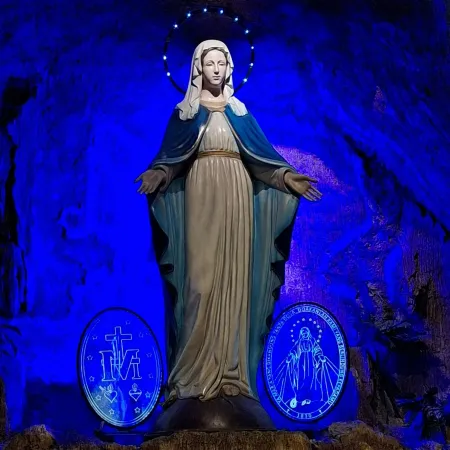
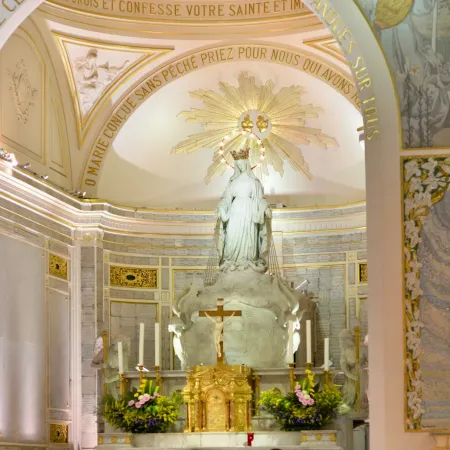
The tradition of the Miraculous Medal has always depended on testimony. The medal itself exists because Catherine Labouré told her confessor what she had seen. The confessor told the Archbishop of Paris. The Archbishop authorized the medal’s creation. Within two years, millions had been distributed. Within a decade, the medal had reached every continent.
None of that happens without the first act of telling.
And the stories that followed — the accounts of conversions, healings, protections, unexpected graces — spread the same way. One person told another. A letter was written. A priest recorded what a parishioner had shared in confidence. A family passed down what had happened to a grandmother, a great-uncle, a child who had been sick and then was not.
The medal spread through story. It still does.
There is a theological dimension to this that is worth naming. In Catholic tradition, the sharing of testimony — bearing witness to what God has done in your life — is not merely a social act. It is a form of praise. It is a way of saying, publicly, that grace is real and that it has touched you.
The Psalms are full of this. Come and hear, all you who fear God, and I will tell what he has done for my soul. The early Church was built on it. The martyrs’ accounts were copied and distributed precisely because the community understood that these stories were not just personal — they belonged to everyone.
When you share what happened to you, you are participating in that tradition. You are adding your voice to a chorus that has been singing for centuries.
This does not mean every story needs to be dramatic. The most common accounts associated with the Miraculous Medal are quiet ones: a sense of peace in a moment of panic, a decision that turned out to be right when it easily could have gone wrong, a meeting that seemed too well-timed to be coincidence. These are not miracles in the headline sense. They are the ordinary texture of a life lived in awareness of grace.
They matter just as much.
In fact, they may matter more — because they are the stories that most people can recognize themselves in. The extraordinary accounts inspire awe. The ordinary ones invite participation. They say: this is available to you too. This is not reserved for saints and mystics. This is for people like you, in situations like yours.
If you have a story, we want to hear it.
Not because we will verify it or judge it or rank it against other stories. But because it belongs in the archive. Because someone, somewhere, is in a situation that resembles yours, and your story might be exactly what they need to read.
Sharing it is not boasting. It is not superstition. It is not naïve.
It is devotion. It is the oldest form of it.