Why Stories Are the Oldest Form of Faith
Hannah Marco|
Devotional Practice Researcher
There is a reason the Gospels are not a list of rules.
They are stories. A man walks into a crowd. A woman reaches out to touch the hem of a garment. A father sees his son coming down the road from a long way off and runs to meet him. These are not abstractions. They are moments — specific, embodied, unrepeatable — and they have carried the weight of faith across two thousand years precisely because they feel true in the way that only lived experience can feel true.
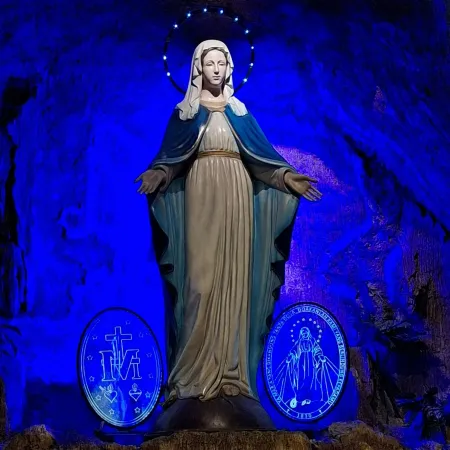
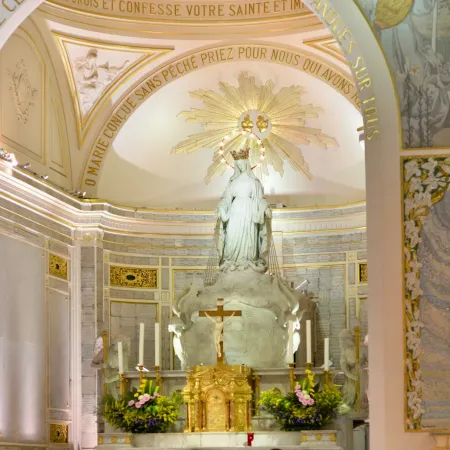
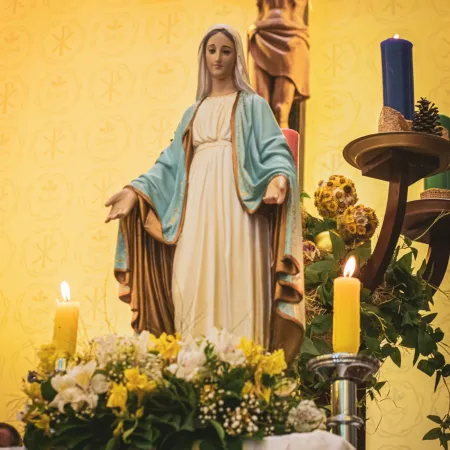
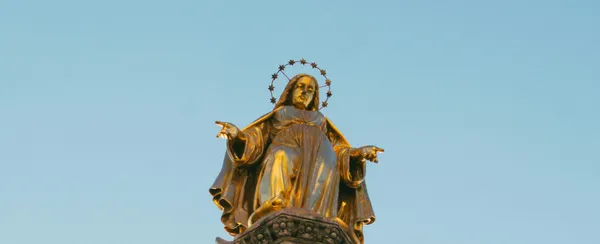
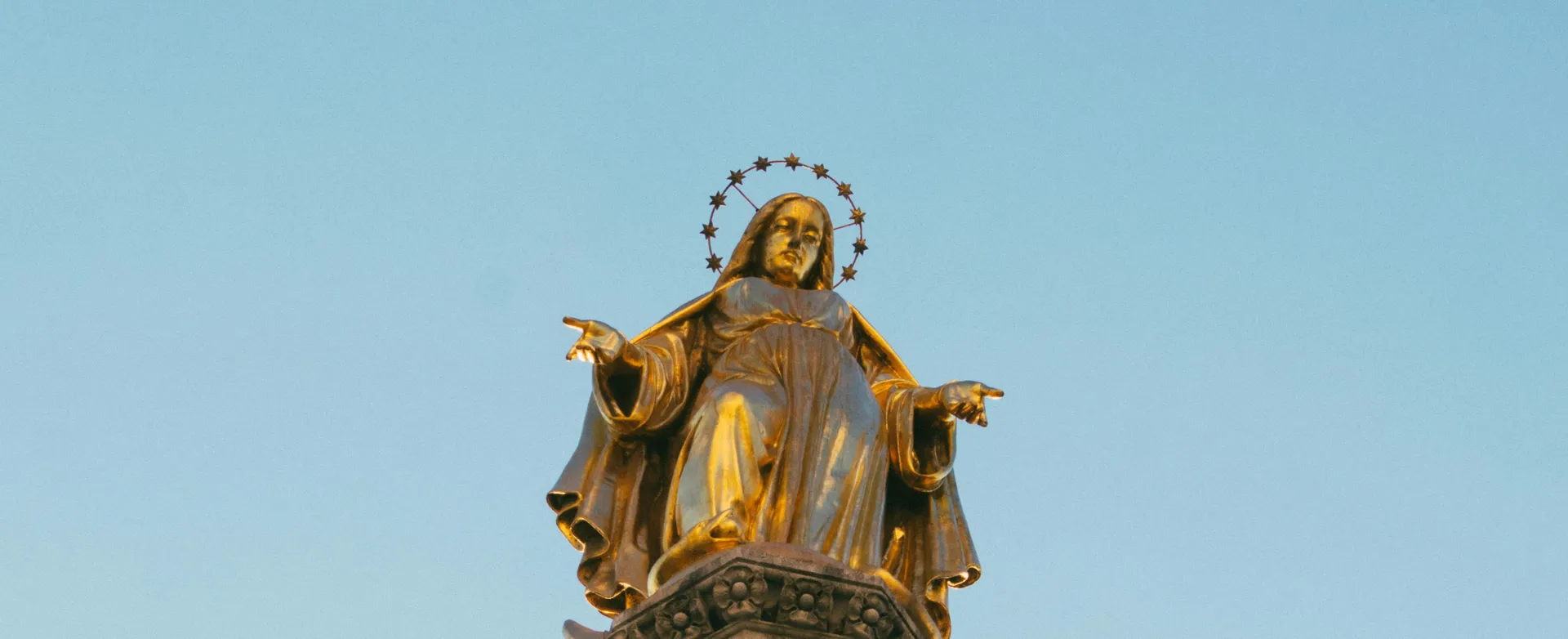
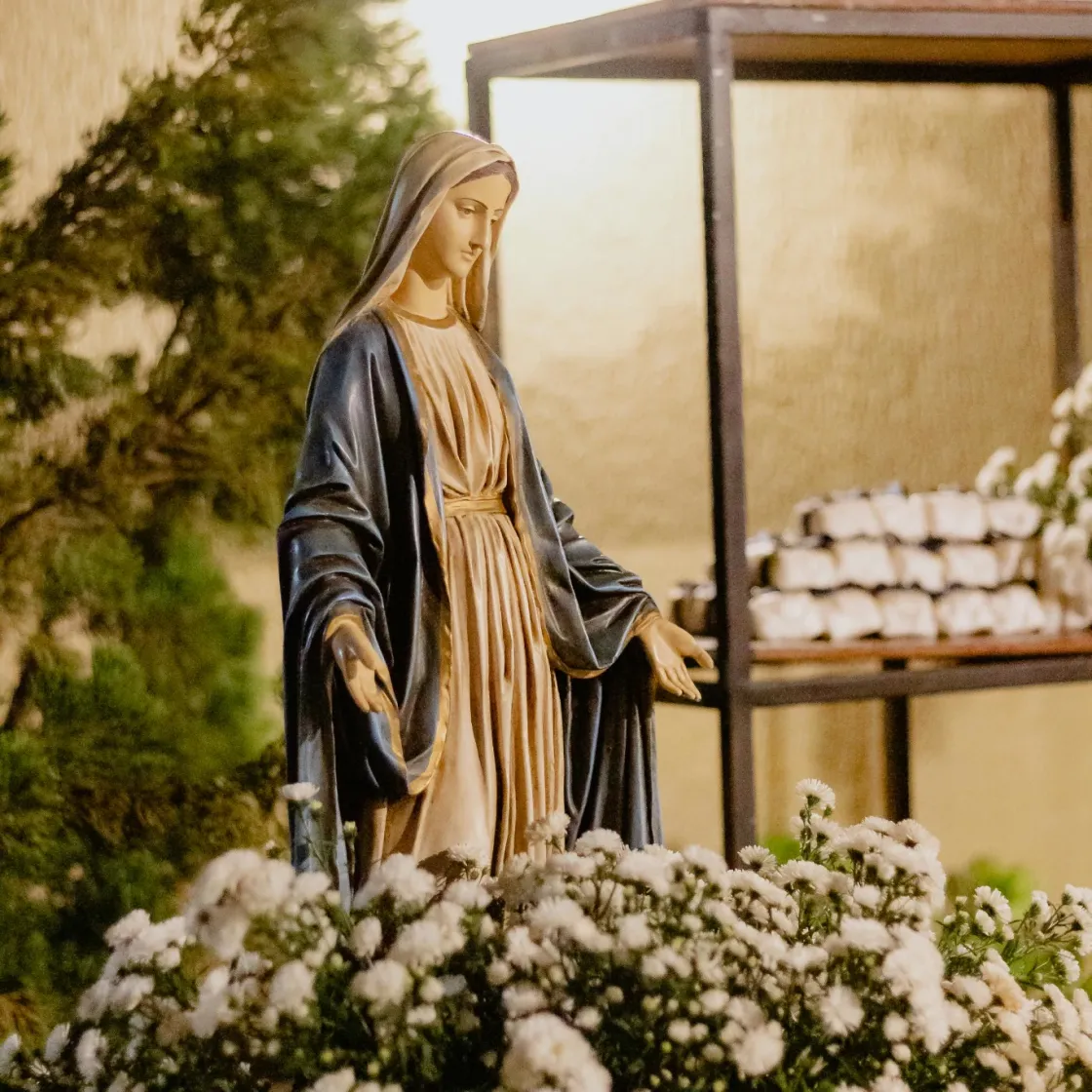
The Miraculous Medal has its own story. It begins on a November night in 1830, in a small chapel on the Rue du Bac in Paris. A young novice named Catherine Labouré is awakened and led to the chapel, where she sees a woman standing on a globe, rays of light streaming from her hands. The woman speaks. She gives instructions. She asks that a medal be made.
What is remarkable is not only the vision itself, but what happened next: Catherine told almost no one. For forty-six years, she kept the secret. She went on caring for the elderly, washing dishes, tending to the poor. The medal spread across the world — millions were made, distributed, worn — and almost no one knew who had received the original vision.
She told her confessor. That was all.
The story only became fully known after her death.
This is the pattern that runs through the history of the Miraculous Medal: the most important things happen quietly, in private, and are only understood later. A medal given to a dying man who had rejected the faith for decades — and who, in his final hours, asked for a priest. A medal pressed into the hand of a soldier before a battle he did not expect to survive. A medal found in the pocket of a stranger who helped someone in a moment of crisis and then disappeared.
These stories are not provable in the way that scientific claims are provable. They resist that kind of verification. But they are not nothing. They are the accumulated testimony of people who experienced something they could not explain and chose to record it — in letters, in diaries, in conversations passed down through families.
They are the oldest form of evidence we have for anything that matters.
When we collect and share these stories, we are doing something that human beings have always done. We are saying: this happened to me, and I think it might matter to you too.
That act of sharing is itself a form of faith. It requires believing that your experience has meaning beyond yourself. It requires trusting that the person you are telling will receive it with care. It requires a kind of vulnerability — because stories about grace and protection and unexpected help are also stories about need, about fear, about moments when ordinary life was not enough.
The Miraculous Medal is a small object. It fits in a palm. It can be worn under a shirt, invisible to everyone. But the stories attached to it are enormous — they span continents and centuries, they cross languages and cultures, they connect people who have never met and never will.
That is what a story does. It makes the invisible visible. It makes the private shared. It makes the past present.
We are here to collect them, and to pass them on.