A Dream I Could Not Dismiss
James Okafor|
Architect, Lagos
I am a practical person. I design buildings. My work is about structure, load, material, light — things that can be measured and verified. I am not given to mysticism. I do not, as a rule, put weight on dreams.
But I need to tell you about a dream I had in January 2022.
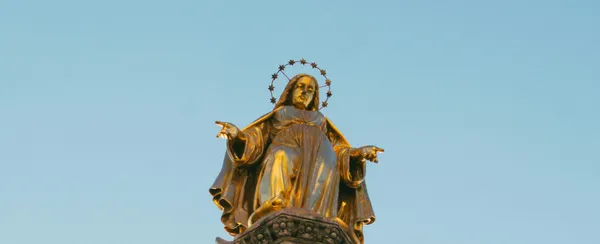
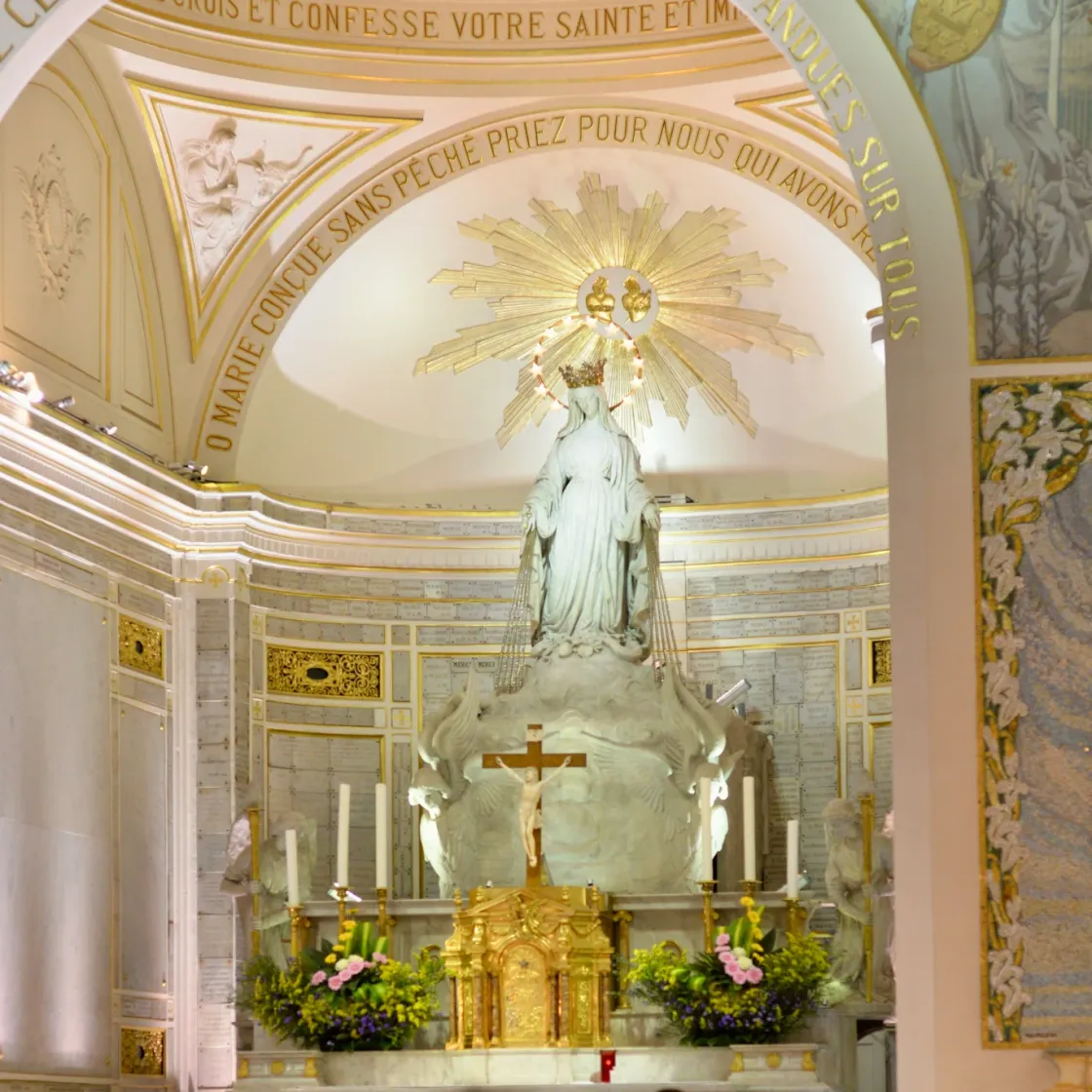
In the dream, I was in a chapel. It was not a large chapel — intimate, with a low ceiling and candles burning along the walls. There was a statue of a woman at the far end, and the light in the room had a quality I cannot describe precisely: warm but not soft, clear but not harsh. I stood in the doorway and looked at the statue, and I felt something I can only describe as recognition — not of the place, which I had never seen, but of something the place contained.
I woke up and wrote down what I remembered. The arched ceiling. The candles. The statue. The particular quality of the light.
I am not Catholic. I was raised in a Christian household in Lagos, but not Catholic. I had no particular knowledge of Marian devotion, no familiarity with the Miraculous Medal. The dream meant nothing to me in any specific religious sense. But it stayed with me in a way that most dreams do not.
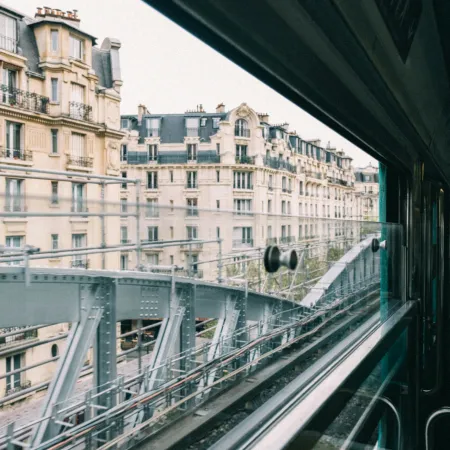
In July of that year, I traveled to Paris for a conference. On my last afternoon, I had a few hours free. I walked without a particular destination — I often do this in cities I do not know well, following streets that seem interesting.
I turned onto a street called Rue du Bac.
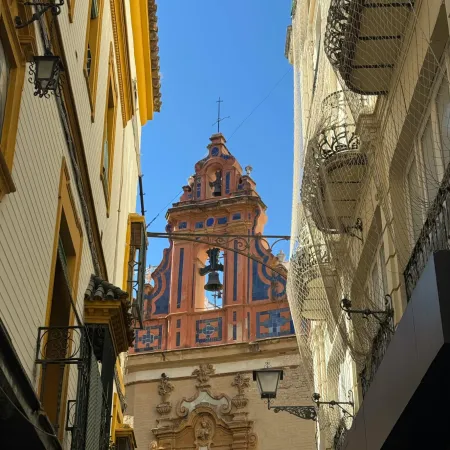
I saw a sign for a chapel. I went in.
I stood in the doorway and looked at the statue at the far end, and the light in the room had a quality I recognized.
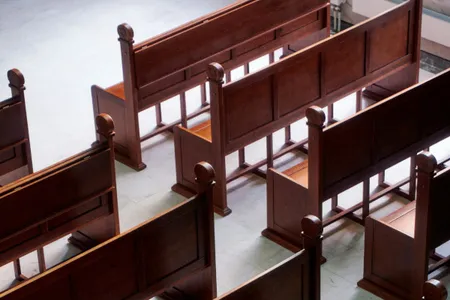
I stood there for a long time. I am not sure how long. I sat in one of the pews and tried to understand what I was feeling, which was not fear or awe exactly, but something quieter — the feeling of having arrived somewhere you did not know you were going.
I bought a Miraculous Medal in the small shop near the entrance. I did not know, at that point, the full history of the medal or the chapel. I bought it because it seemed like the right thing to do — because I had been in that place, and I wanted to carry something from it.
I have read extensively about the chapel and the medal since then. I have read Catherine Labouré’s account of her visions. I have read the history of the medal’s spread. I have read accounts from people who have had experiences they cannot explain.
I am still not Catholic. I am still a practical person who designs buildings and believes in things that can be measured. But I wear the medal, and I think about that chapel, and I do not have a satisfying explanation for any of it.
I have decided that not having an explanation is acceptable. Some things are larger than the categories we have for them. The honest response is not to force them into a category, but to hold them carefully and pay attention.
I am paying attention.